A perfectly engineered draft system will fail if the hardware is not maintained. Beer is a food product containing yeast, proteins, and sugars. As beer flows through vinyl lines and metal hardware, it leaves behind deposits. Without a strict maintenance protocol, bacteria and mold will grow, altering the taste of the beer and causing dispensing malfunctions. This guide details standard commercial cleaning procedures and hardware troubleshooting steps.
Beer Line Cleaning Protocols
Regular cleaning keeps draft beer tasting fresh and prevents off-flavors, bacterial growth, and line clogs. The industry standard protocol dictates that commercial draft beer lines must be cleaned every two weeks.
Step-by-Step Chemical Flushing
Operators should use an approved alkaline beer line cleaning chemical. This chemical removes protein buildup, yeast deposits, and organic material.
Disconnect the Keg: Uncouple the kegs to prevent cleaning chemicals from entering the beer supply.
Setup the Cleaning Loop: You can use a pressurized cleaning keg or a basic hand pump. The cleaning keg uses your existing CO2 pressure to push the solution. Alternatively, attach a jumper hose to link two lines together at the tower, allowing continuous circulation. When installing jumper hoses, ensure the line is clean, attach the 1/4 ID hose (the industry standard for versatility), and hand-tighten fittings without overtightening to prevent cracking plastic components. Test for leaks with water before running chemicals.
Chemical Flush: Run the alkaline solution through the lines. For severe scaling, the solution should soak inside the lines for roughly 15 minutes.
Water Rinse: Flush the lines completely with fresh water. Check the pH of the exiting water to ensure absolutely no chemical residue remains before reconnecting the beer kegs.
Additionally, operators should check glycol levels monthly, inspect pumps for blockages, and replace the glycol mix every 6 to 12 months to maintain system efficiency.
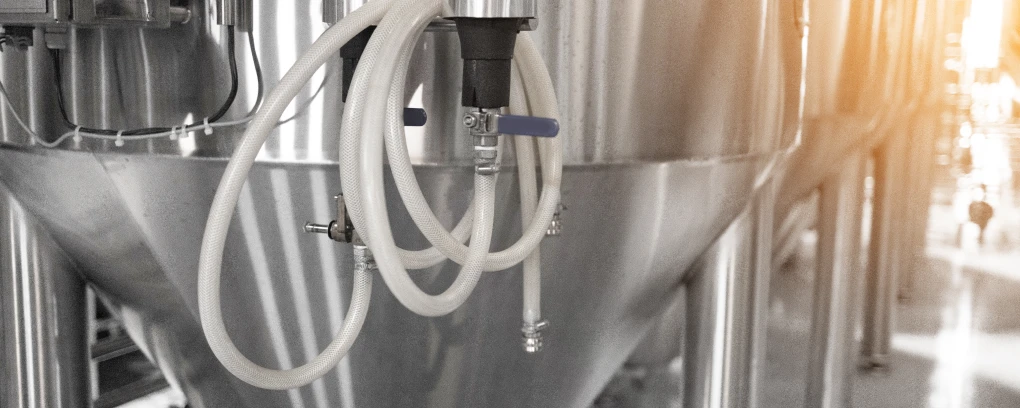
Faucets and Shanks Maintenance
Faucets and shanks are the final contact points before the beer enters the glass. They require the same level of cleaning as the tubing.
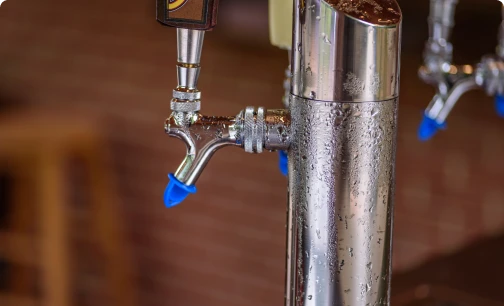
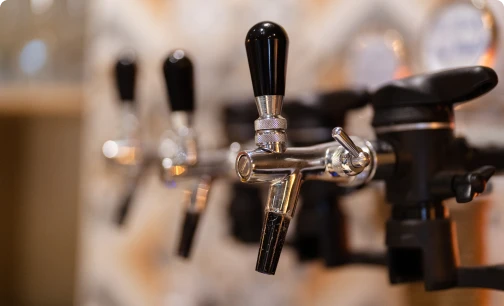
Faucets should be fully disassembled during the bi-weekly line cleaning process. Remove the faucet from the shank using a spanner wrench. Take out the lever, shaft, and internal gaskets. Soak all metal components in the alkaline cleaning solution. Scrub the interior of the faucet body and the external threads of the shank with a specialized nylon brush.
Components like gaskets and O-rings wear down over time, so replacing them promptly prevents leaks and contamination. When replacing hardware, always specify 304 stainless steel faucets and shanks. Lower-grade brass components will eventually corrode and flake, exposing the beer to raw brass and creating metallic off-flavors.
Clear vinyl tubing is recommended for air and product lines because it helps operators easily identify the buildup of sediment, beer stone, or mold, indicating when deep cleaning is overdue. Be careful to avoid unnatural bends or creases in the line, as this drastically impacts the system's ability to pour correctly.
Solution Summary: How to fix a foaming draft beer faucet
If a faucet pours excessive foam, first check the temperature. Ensure the keg cooler is at 38°F and the glycol chiller is actively pumping cold liquid to the tower. Next, verify the gas pressure on the secondary regulator matches the targeted 12-14 PSI. If temperature and pressure are correct, inspect the beer lines and faucet for internal buildup. Beer stone creates a rough surface inside the line that agitates the beer, releasing CO2 and causing foam. Disassemble and manually scrub the faucet, and run an acidic line cleaner through the system to dissolve mineral deposits.
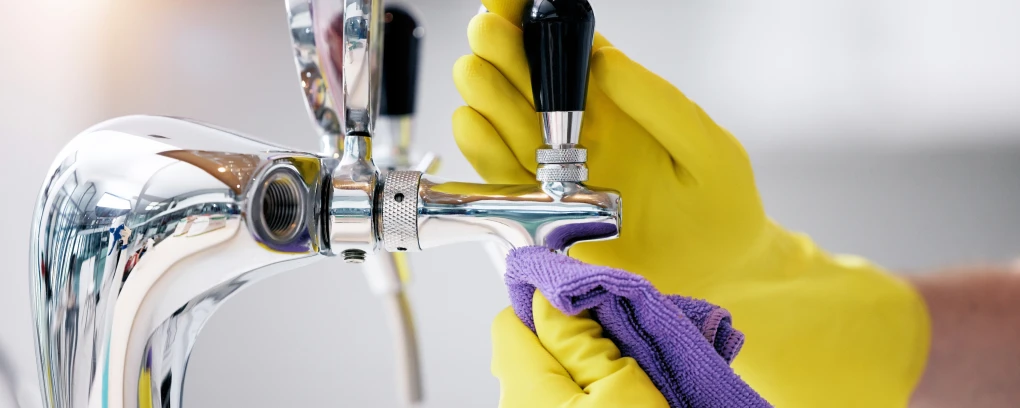
Draft Hardware and Maintenance Supply
We supply commercial-grade draft dispensing components built for longevity. Our inventory includes stainless steel forward-sealing faucets, heavy-duty shanks, 1/4-inch ID barrier tubing, and complete pressurized line cleaning kits. Maintaining your equipment with our exact-fit replacement O-rings and gaskets eliminates downtime during high-volume service. Contact us for technical specifications and parts sourcing.
FAQ
How often do I need to use an acid cleaner on my beer lines?
While alkaline cleaners (used every two weeks) remove organic materials, draft lines also build up inorganic calcium oxalate deposits, known as "beer stone". Operators should run an acidic line cleaning solution every quarter (every 3 months) to dissolve these mineral deposits.
Why is my draft faucet sticking and hard to pull?
A sticking faucet is caused by beer drying inside the mechanism. The sugars harden and glue the internal sliding shaft to the faucet body. Do not force the handle, as this will snap the brass lever. Remove the faucet, soak it in hot water to dissolve the sugar, and then perform a standard cleaning.
What happens if I don't clean my beer lines?
Neglecting maintenance allows bacteria, yeast, and mold to form inside the lines. These contaminants produce diacetyl and lactic acid, causing the beer to taste sour, buttery, or cloudy. It also causes severe foaming, leading to massive product waste.
-

Written by
Frank WangFrank Wang is a technical content writer focused on industrial manufacturing and equipment applications. He works closely with engineers and project teams to translate real operating conditions, system logic, and product selection considerations into clear, practical content for B2B buyers, project managers, and technical decision-makers.