A commercial draft beer system only generates revenue when it pours liquid beer smoothly. When a tap starts spitting foam, leaking onto the drip tray, or locking up completely, it disrupts service and burns through expensive keg inventory. Most faucet and dispensing issues are highly predictable and easy to solve if you understand the underlying mechanics of the draft system. This guide covers the primary causes of draft hardware failures and how to correct them.
How do you stop draft beer from foaming at the faucet?
To stop a draft system from pouring foam, you must address one of three primary culprits: improper temperature, incorrect gas pressure, or poor system cleanliness. First, verify that your keg cooler and draft lines are maintaining a steady temperature between 36°F and 38°F. If the beer gets too warm, the CO2 physically breaks out of the liquid, resulting in a glass full of foam. Next, ensure your secondary CO2 regulator is set to the correct pressure (typically 12-14 PSI for standard ales). Finally, disassemble and scrub your faucets, as mineral buildup inside the metal hardware agitates the beer and triggers foaming.
1. Diagnosing Temperature Control Issues
Temperature is the most critical variable in draft dispensing. Beer absorbs CO2 best when it is very cold. If the keg temperature rises above 40°F, the gas expands violently.
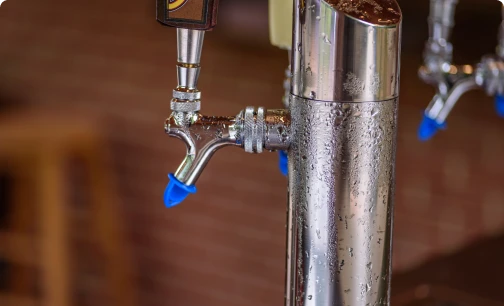
The "First Pour" Foam Issue: If only the very first beer of the day pours foamy, but subsequent pours are fine, you have a tower cooling issue. The beer sitting inside the metal faucet gets warm overnight. When cold, highly carbonated beer hits that warm metal, it foams instantly. Ensure your glycol pump is running or your kegerator blower fan is actively pushing air into the tower.
Warm Glassware: Never pull a glass straight from a hot commercial dishwasher and pour beer into it. The heat shock guarantees foam. Always use a glass rinser to cool the surface of the pint glass right before pouring.
2. Managing CO2 and Nitrogen Pressure
Gas pressure pushes the beer out of the keg and keeps the existing carbonation locked inside the liquid.
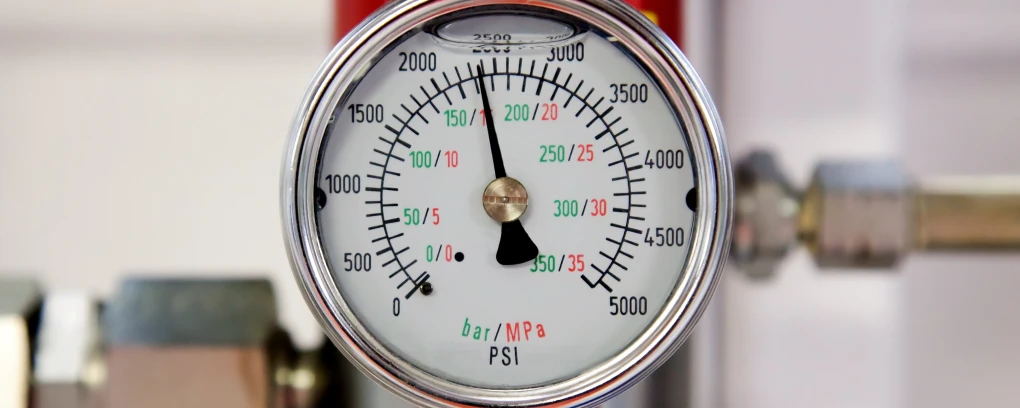
Pressure Set Too High: If you apply too much pressure at the regulator, the beer blasts out of the faucet too fast. The sheer physical turbulence of hitting the glass causes massive foaming. To fix this, lower the regulator pressure and gently pull the Pressure Relief Valve (PRV) on the keg coupler to vent the excess built-up pressure.
Pressure Set Too Low: If the pressure is too low, it cannot hold the carbonation inside the beer. The CO2 bubbles out of the liquid while it sits inside the vinyl lines. You will see large air pockets forming in the tubes. Increase the PSI on your secondary regulator to push the gas back into the liquid.
3. Faucet and Line Cleanliness (The Threat of Beer Stone)
Beer is a live agricultural product. As it flows through your system, it leaves behind yeast, proteins, and a hard mineral deposit known as calcium oxalate (commonly called "beer stone").
Agitation: Beer stone forms microscopic jagged ridges inside your vinyl lines and stainless steel faucets. When fast-moving beer drags across these rough ridges, the friction agitates the liquid, knocking the CO2 out of suspension and causing foam.
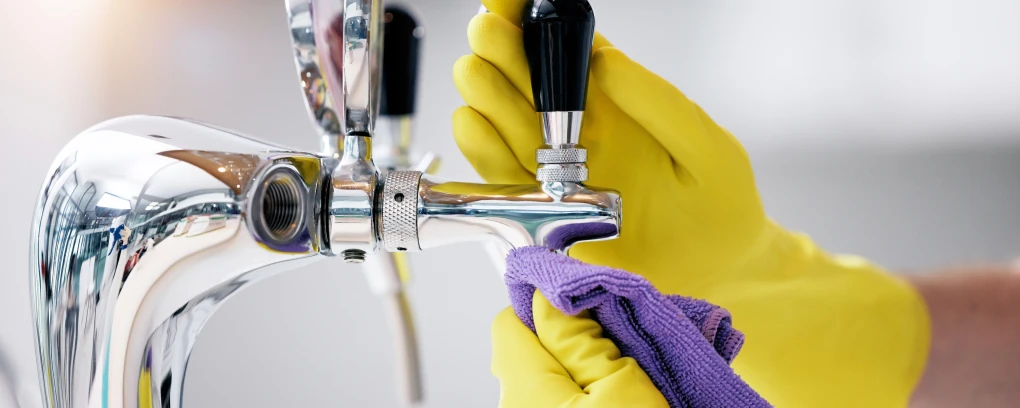
Sticking Handles: If a bartender pulls a tap handle and it refuses to budge, dried beer sugars have glued the internal sliding shaft to the faucet body. Do not force it; you will snap the brass lever. Remove the faucet, soak it in warm water, and clean the internal components thoroughly.
The Fix: You must flush your draft lines with an alkaline chemical cleaner every 2 to 3 weeks to strip out the organics. Furthermore, you must disassemble the faucets completely and scrub the internal shafts and gaskets with a nylon brush.
The Advantage of Flow Control Faucets
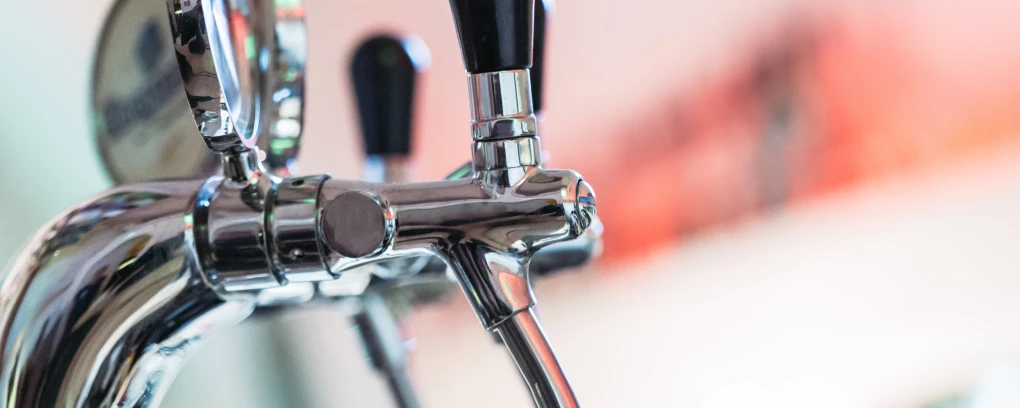
If you constantly battle high-carbonation beers (like wheat beers or highly active sours) that want to shoot out of the tap, upgrade your hardware to flow control faucets. These specialized faucets feature a small mechanical lever on the side. This lever adjusts an internal compensator that physically restricts the flow of the liquid right before it exits the spout. This allows you to keep the keg under the high pressure it requires to maintain carbonation, while simultaneously slowing down the pouring speed at the glass to eliminate turbulence and foam.
Commercial Draft Hardware Parts and Supply
We supply the commercial grade hardware required to keep your draft system operational and profitable. Our inventory includes 304-grade stainless steel forward-sealing faucets, heavy-duty shanks, replacement O-ring rebuild kits, and professional line cleaning equipment. Stop losing revenue to leaking taps and foamy pours. Contact us today to upgrade your dispensing hardware and secure wholesale pricing on replacement parts.
Frequently Asked Questions
Why is my draft beer faucet dripping after I close it?
A dripping faucet is almost always caused by a worn, cracked, or dirty internal seating gasket. Disassemble the faucet and inspect the rubber seals. If they are flattened or brittle, replace them immediately.
Can I clean my beer lines with standard dish soap?
Absolutely not. Dish soap leaves a slick chemical residue that destroys the head retention (foam top) of the beer and alters the flavor. You must use specialized, food-safe caustic line-cleaning chemicals designed specifically for brewing equipment.
What is the correct pouring angle for draft beer?
Hold a clean glass at a 45-degree angle directly below the faucet. Open the tap fully in one swift motion. Let the beer run down the side of the glass. When the glass is two-thirds full, tilt it straight upright and pour directly into the center to form a perfect one-inch collar of foam.
-

Written by
Frank WangFrank Wang is a technical content writer focused on industrial manufacturing and equipment applications. He works closely with engineers and project teams to translate real operating conditions, system logic, and product selection considerations into clear, practical content for B2B buyers, project managers, and technical decision-makers.