Beer Keg vs. Draft Beer Keg vs. Fresh Beer Keg vs. Fermentation Tank: What's the Difference?
Choosing the right beer equipment is essential for breweries, bars, restaurants, and homebrewers alike. Terms such as beer keg, draft beer keg, fresh beer keg, and fermentation tank are often used interchangeably, but they serve different purposes throughout the brewing and dispensing process.
In this guide, we'll explain the differences between these beer containers, their applications, and how to select the right brewing equipment and accessories for your needs.
What Is a Beer Keg?
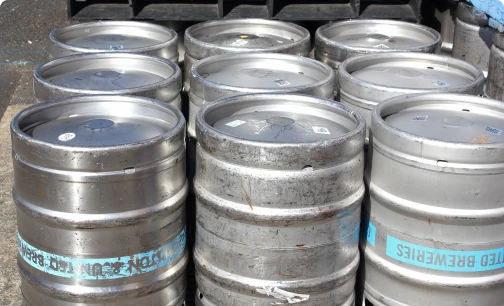
A beer keg is a pressurized container designed for storing, transporting, and dispensing beer. It is the most common packaging solution for breweries, pubs, restaurants, and beverage distributors.
Most modern beer kegs are manufactured from food-grade 304 or 316 stainless steel, offering excellent corrosion resistance, durability, and long service life.
Common keg capacities include:
- 5L Mini Keg
- 10L Beer Keg
- 20L Beer Keg
- 30L Beer Keg
- 50L Beer Keg
Beer kegs are compatible with CO₂ dispensing systems, allowing beer to be served while maintaining carbonation and freshness.
What Is a Draft Beer Keg?
A draft beer keg is simply a beer keg used in a draft beer dispensing system. Contrary to popular belief, a draft beer keg does not normally contain its own refrigeration system.
Instead, the cooling components are located in:
- Kegerators
- Draft beer dispensers
- Glycol cooling systems
- Walk-in cold rooms
The keg itself functions as a pressurized storage vessel, while external equipment keeps the beer at the ideal serving temperature.
Draft beer systems are widely used in:
- Bars
- Restaurants
- Hotels
- Breweries
- Event venues
What Is a Fresh Beer Keg?
A fresh beer keg stores fresh (often called "draft" or "unpasteurized") beer. The difference lies in the beer itself rather than the keg.
Fresh beer generally features:
- No pasteurization
- Richer aroma and flavor
- Better yeast character
- Shorter shelf life
- Strict cold-chain transportation requirements
Because fresh beer is more sensitive to temperature and sanitation, breweries must ensure that both the keg and dispensing system are thoroughly cleaned and properly maintained.
In most cases, fresh beer kegs are manufactured from the same high-quality stainless steel used for standard beer kegs.
What Is a Fermentation Tank?
A fermentation tank (or fermenter) is one of the most important pieces of brewing equipment. Unlike beer kegs, fermentation tanks are used during the brewing process rather than for storage or dispensing.
Their primary functions include:
- Converting wort into beer
- Supporting yeast fermentation
- Controlling fermentation temperature
- Managing fermentation pressure
- Developing the beer's flavor profile
Commercial breweries commonly use conical stainless steel fermentation tanks, which are equipped with advanced brewing features such as:
- Cooling jackets
- Temperature sensors
- Pressure gauges
- Sampling valves
- Yeast collection ports
- CIP (Clean-in-Place) systems
- Safety valves
These features improve brewing efficiency, product consistency, and sanitation.
For homebrewers, compact plastic or stainless steel fermenters with airlocks are often sufficient for small-batch brewing.
Beer Keg vs. Fermentation Tank: What's the Main Difference?
Although they may appear similar, beer kegs and fermentation tanks perform completely different functions.
| Feature | Beer Keg | Fermentation Tank |
|---|---|---|
| Primary Purpose | Store and dispense finished beer | Ferment wort into beer |
| Pressure Resistance | Yes | Yes |
| Temperature Control | External cooling system | Built-in cooling jacket (commercial models) |
| Typical Capacity | 2–50L (or larger) | 20L to several thousand liters |
| Application | Transportation and serving | Brewing production |
Simply put, fermentation tanks produce the beer, while beer kegs deliver it to customers.
How to Choose the Right Beer Equipment Accessories
Selecting the appropriate brewing equipment depends on your production scale and application.
For Homebrewers
Recommended equipment:
- Small stainless steel fermenter
- Mini beer keg
- CO₂ regulator
- Ball lock or pin lock fittings
A 20L–30L fermenter is ideal for most home brewing batches.
For Bars and Restaurants
Recommended equipment:
- 30L or 50L stainless steel beer kegs
- Draft beer dispensing system
- CO₂ cylinder
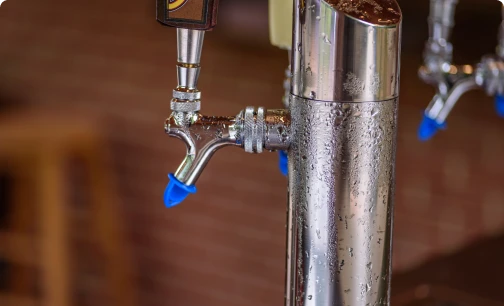
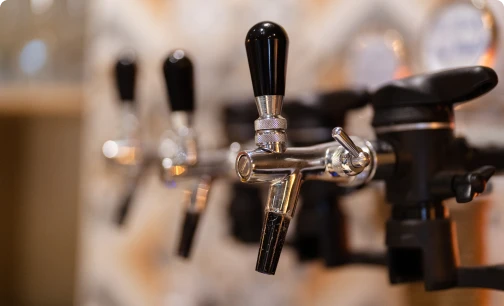
- Beer faucets and keg couplers
Reliable temperature control and easy cleaning are essential for maintaining beer quality.
For Commercial Breweries
Professional breweries typically require:
- Stainless steel fermentation tanks
- Bright beer tanks
- Beer kegs
- CIP cleaning systems
- Glycol chillers
- Automatic temperature control systems
High-quality equipment helps ensure consistent production, reduce operating costs, and improve overall efficiency.
Key Factors to Consider Before Buying
When purchasing beer equipment or accessories, consider the following factors:
Material Quality
Choose food-grade 304 or 316 stainless steel for maximum durability, hygiene, and corrosion resistance.
Capacity
Select the appropriate size based on production volume or beer consumption to maintain freshness and minimize waste.
Compatibility
Ensure the keg, coupler, dispensing system, and fittings use compatible standards to avoid installation issues.
Ease of Cleaning
Equipment with smooth interiors and CIP compatibility significantly reduces cleaning time while improving sanitation.
Maintenance Cost
Durable, high-quality components require less maintenance and provide better long-term value.
Future Trends in Beer Brewing Equipment
As the craft beer industry continues to grow, brewing technology is becoming smarter and more efficient.
Emerging trends include:
- Smart fermentation monitoring
- Automated temperature and pressure control
- Remote monitoring via mobile apps
- Energy-efficient cooling systems
- Modular brewery equipment
- Automated CIP cleaning systems
These innovations help breweries improve product consistency, reduce labor costs, and increase production efficiency.
Conclusion
Understanding the differences between beer kegs, draft beer kegs, fresh beer kegs, and fermentation tanks is essential when selecting brewing equipment.
A beer keg is designed for storing and serving finished beer, while a draft beer keg is simply a beer keg used in a draft dispensing system. Fresh beer kegs hold unpasteurized beer that requires stricter hygiene and cold-chain management. Fermentation tanks, on the other hand, are used during the brewing process to produce beer and control fermentation conditions.
Whether you're a homebrewer, bar owner, or commercial brewery operator, investing in high-quality brewing equipment and compatible accessories will improve beer quality, operational efficiency, and long-term performance.
Keywords: beer keg, draft beer keg, fresh beer keg, fermentation tank, stainless steel beer keg, brewery equipment, beer brewing equipment, beer dispensing system, home brewing equipment, commercial brewery equipment.
-

Written by
Frank WangFrank Wang is a technical content writer focused on industrial manufacturing and equipment applications. He works closely with engineers and project teams to translate real operating conditions, system logic, and product selection considerations into clear, practical content for B2B buyers, project managers, and technical decision-makers.